
Graphic Designing
Graphic design is the art and practice of creating visual content to communicate messages, ideas, and information effectively. It combines creativity, technology, typography, images, colors, and layouts to produce visually appealing designs that engage audiences and convey specific messages. Graphic design plays a crucial role in marketing, branding, advertising, education, entertainment, and digital communication. From company logos and websites to social media posts, advertisements, packaging, and mobile applications, graphic design influences how people perceive brands and interact with information. A well-designed visual can capture attention, build trust, increase engagement, and leave a lasting impression.
Graphic design is not just about making things look attractive; it is about solving communication problems through visual elements. Designers carefully choose colors, fonts, images, and layouts to create designs that are both functional and aesthetically pleasing.
What is Graphic Designing ?
Graphic design is the process of creating visual content that communicates ideas, messages, or information to a target audience. It involves combining text, images, illustrations, symbols, and colors to create meaningful and visually appealing designs.
The primary objective of graphic design is to communicate effectively while maintaining visual attractiveness. Whether it is a logo, brochure, website, poster, or social media graphic, the design should serve a purpose and deliver a clear message.
Graphic designers use various software tools and creative techniques to produce designs for print and digital media. Their work helps businesses promote products, establish brand identity, and engage customers.
Graphic design is the process of creating visual content that communicates ideas, messages, or information to a target audience. It involves combining text, images, illustrations, symbols, and colors to create meaningful and visually appealing designs.
The primary objective of graphic design is to communicate effectively while maintaining visual attractiveness. Whether it is a logo, brochure, website, poster, or social media graphic, the design should serve a purpose and deliver a clear message.
Graphic designers use various software tools and creative techniques to produce designs for print and digital media. Their work helps businesses promote products, establish brand identity, and engage customers
Element of Graphic Designing
LINE :
Lines help organize information, create structure, and guide the viewer’s attention.
Types of lines include:
Straight lines
Curved lines
Vertical lines
Horizontal lines
Diagonal lines


SHAPE:
Shapes are enclosed areas created by lines or color boundaries.
Common shapes include:
Circles
Squares
Rectangles
Triangles
Organic shapes
Shapes help create balance and visual interest
Colour :
Different colors evoke different emotions and perceptions.
Examples:
Red: Energy and passion
Blue: Trust and professionalism
Green: Growth and nature
Yellow: Optimism and happiness
Black: Luxury and sophistication
Designers use color psychology to influence audience behavior.

Typography
Typography refers to the style and arrangement of text.
Good typography improves:
Readability
Visual appeal
Brand identity
User experience
Popular font categories include:
Serif
Sans-serif
Script
Display fonts
Texture
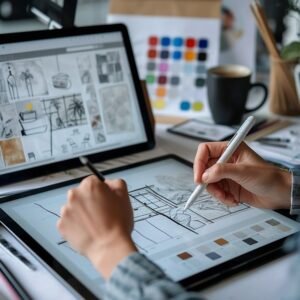
Texture creates visual depth and enhances the appearance of a design.
Textures can be:
- Physical
- Visual
- Digital

Space
Space refers to the area around design elements.
Proper use of white space:
- Improves readability
- Creates balance
- Enhances focus
Image
Images, illustrations, and icons help communicate messages more effectively than text alone
Principles of graphic designing
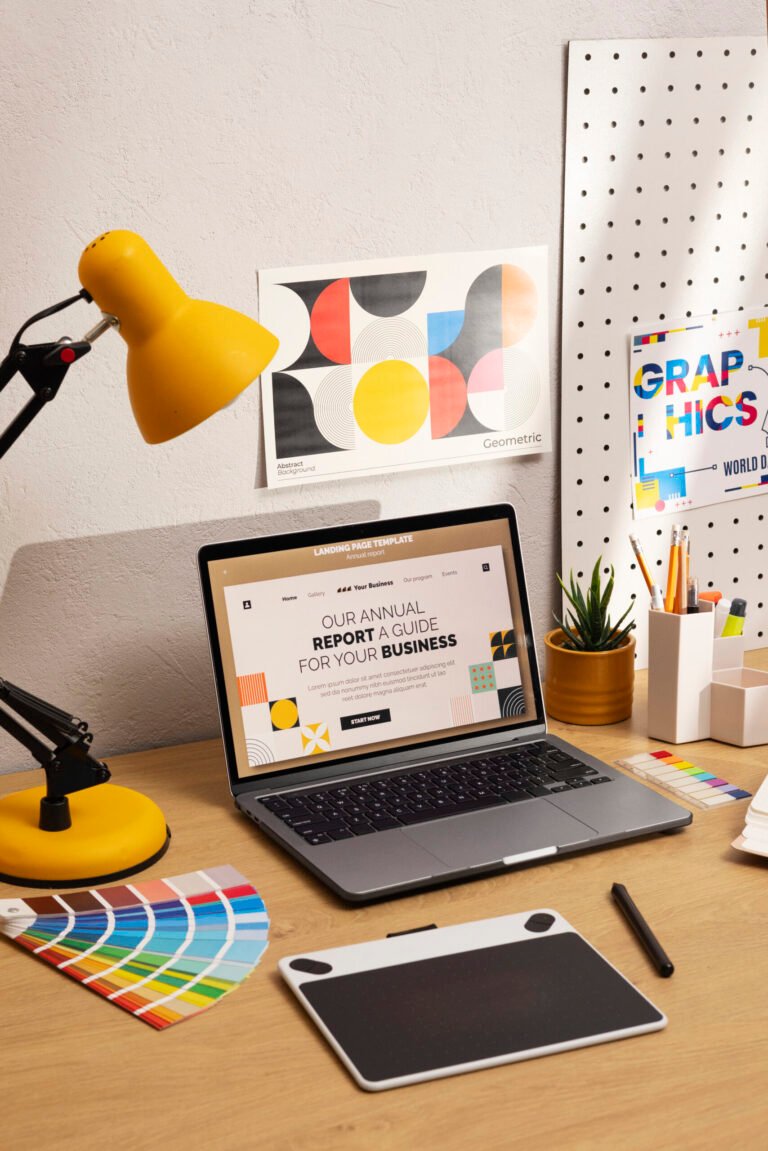
Successful graphic design follows specific principles.
Types include:
Symmetrical balance
Asymmetrical balance
Radial balance
Contrast: Contrast creates visual interest by highlighting differences between elements.
Examples:
Light versus dark
Large versus small
Bold versus thin
Emphasis: Emphasis directs attention toward the most important element in a design.
Alignment: Alignment creates order and organization within a design.
Repetition: Repeating visual elements creates consistency and strengthens brand identity.
Hierarchy: Visual hierarchy guides viewers through information based on importance.
Graphic Design Software
Graphic designers use various software tools to create professional designs.
Adobe Photoshop
Widely used for:
Photo editing
Image manipulation
Digital artwork
Adobe Illustrator
Best for:
Logo design
Vector graphics
Illustrations

Adobe Design
Used for:
Brochures
Magazines
Publications
Canva
A beginner-friendly design platform for creating: Social media graphics, Presentations, Marketing materials, and Figma.
Popular for: UI/UX design, Website prototypes, Team collaboration, CorelDRAW.
Used for: Vector illustrations, Print design, and logo creation
Conclusion
Graphic design combines creativity, technology, typography, image, color, and layouts to produce visually appealing designs that engage audiences and convey specific messages. Graphic design plays a crucial role in marketing, branding, advertising, education, entertainment, and digital communication.
From company logos and websites to social media, advertisements, packaging, and mobile applications, graphic design influences how people perceive brands and interact with information. A well-designed visual can capture attention, build trust, increase engagement, and leave a lasting impression.
Graphic design is not just about making things look attractive; it is about solving communication problems through visual elements. Designers carefully choose colors, fonts, images, and layouts to create designs that are both functional and aesthetically pleasing. pleasing
Karishma Marketing provides you Graphic Designing process

Step1: : Understand the Project
Designers gather information about: Objectives, Target audience, Brand requirements, and Design expectations.
Step 2 : Research
Research helps identify trends, competitors, and audience preferences.
Step 3 : Brainstroming
Designers generate ideas and concepts through sketches and creative exploration.
Step 4 : Create drafts
Initial design concepts are developed using design software
Step 5 :Review & feedback
Clients review designs and provide feedback for improvements.
Step 6 : Final design
The approved design is finalized and prepared for publication or printing
.
Types of Graphic Designing
1. Branding and Logo Design: Branding design focuses on creating visual identities for businesses.
Examples include: Logos, Brand guidelines, Business cards, Letterheads.
2. Marketing and Advertising Design: Marketing designers create promotional materials such as Posters, Flyers, Brochures, Social media graphics, and banner advertisements.
These designs help businesses attract customers and increase sales.
3. Web Design: Their responsibilities include: Layout design, Navigation structure, User interface design, and visual consistency.


4. User Interface (UI) Design; UI designers focus on designing interfaces for: Websites, Mobile apps, Software applications.
Their goal is to improve user experience through effective visual design.
5. Packaging Design: Packaging designers create product packaging that attracts customers and communicates product information.
Examples include: Food packaging, Cosmetic packaging, Electronics packaging.
6. Publication Design: Publication design involves creating layouts for: Magazines, Books, Newspapers, Annual reports
7. Motion Graphics Design: Motion graphics combine animation and graphic design.
Examples include: Animated advertisements, Intro videos, and social media animations.
Why Hire us :
Karishma Marketing create eye-catching designs that help your brand stand out.
Our designs are creative, professional, and tailored to your business needs.
We focus on building a strong visual identity for your brand.
Every design is made to attract attention and engage your audience.
We combine creativity with marketing strategies to deliver better results.
From social media posts to business branding, we design with purpo